

Second Draw PPP loan
When the pandemic hit, small businesses needed oxygen fast. The Second Draw PPP loan stepped in as a lifeline for companies that had already used their first round of relief. Backed by the U.S. Small Business Administration, this program gave struggling owners another chance to stabilize payroll and cover essential bills.
Even though the Paycheck Protection Program officially ended in 2021, understanding how the Second Draw PPP loan worked still matters. Many borrowers continue navigating forgiveness. If you received funds or are reviewing past relief options, knowing the rules helps you protect your business and avoid costly mistakes.
Related post: Business plans help you run your business
Notice: PPP ended May 31, 2021
The Paycheck Protection Program closed on May 31, 2021. Congress created it under the CARES Act and later expanded it through the Economic Aid to Hard-Hit Small Businesses Act. While new applications stopped, existing borrowers still qualify for forgiveness if they meet program rules.
If you received a Second Draw PPP loan, you may still complete the PPP loan forgiveness process. Borrowers submit documentation through their lender or the SBA PPP loan forgiveness portal. The focus now isn’t new funding. It’s proper documentation and compliance.
Loan details
The Second Draw PPP loan allowed eligible businesses to receive additional PPP payroll protection funding. It followed many of the same SBA PPP loan requirements as the first round. However, stricter eligibility standards applied, especially around revenue decline.
Funds covered PPP loan authorized expenses such as payroll, benefits, rent, and utilities. You could also use money for PPP mortgage interest payments and certain operational costs. The PPP covered period 8 or 24 weeks gave flexibility depending on your business situation.
Maximum loan amount and increased assistance for accommodation and food services businesses
For most companies, the PPP loan maximum amount equaled 2.5 times average monthly payroll from 2019 or 2020, capped at $2 million. Businesses classified under NAICS code 72 eligibility, such as restaurants and hotels, qualified for 3.5 times payroll. This NAICS 72 PPP loan structure recognized how hard hospitality suffered.
To calculate eligibility, lenders reviewed your PPP payroll cost calculation carefully. The PPP accommodation and food services loan formula gave higher relief because shutdowns hit that sector especially hard. If you ran a restaurant, that difference could mean thousands in additional support.
Who may qualify
PPP second draw eligibility required three main criteria. First, you must have used your First Draw funds for authorized expenses. Second, your business had to follow the PPP 300 employee limit rule. Third, you needed to pass the PPP gross receipts test.
The PPP 25% gross receipts reduction requirement compared 2019 and 2020 quarters. If revenue dropped by at least 25%, you met a key condition. Borrowers also had to complete PPP borrower certification requirements confirming economic uncertainty.
How and when to apply
Applications for a Second Draw PPP loan went through approved lenders under SBA PPP lender guidelines. Borrowers completed the PPP loan application form or the Schedule C PPP application if self-employed. The PPP gross income calculation Schedule C option allowed sole proprietors to use gross income instead of net profit in some cases.
After submission, the PPP lender submission to SBA triggered official review. If the system flagged inconsistencies, a PPP loan data anomalies flag could delay approval. Although the PPP second draw application deadline has passed, understanding this process helps with forgiveness and audits.
Supplemental materials
The SBA issued clarifications through the SBA interim final rule PPP documents. These rules explained technical updates under the Economic Aid to Hard-Hit Small Businesses Act PPP Second Draw. Borrowers could also review guidance tied to Paycheck Protection Program loan forgiveness requirements to ensure compliance.
Affiliation rules
PPP affiliation rules prevented large companies from bypassing employee limits through subsidiaries. If multiple businesses shared ownership or management control, they often counted employees together. Lenders relied on SBA guidance to determine eligibility accurately.
Existing borrowers
If your lender already submitted your application, you could monitor status through the SBA Capital Access Financial System (CAFS). That portal allowed borrowers to track updates tied to their Small Business Administration PPP loan. When questions arose, contacting your lender directly remained the fastest solution.
Borrowers who received a Second Draw PPP loan must now focus on PPP loan forgiveness eligibility. Keep records of payroll, PPP rent and utilities coverage payments, and PPP mortgage interest payments. Good documentation turns a loan into potential full forgiveness.
Conclusion
The Second Draw PPP loan provided targeted relief for businesses that faced continued revenue loss during COVID-19. While new funding ended in 2021, forgiveness opportunities remain open for qualified borrowers. That makes understanding eligibility and documentation more important than ever.
If you received funds, don’t ignore the next steps. Review your paperwork, confirm compliance with SBA rules, and complete forgiveness properly. When handled correctly, this program can close out cleanly and protect your financial future.
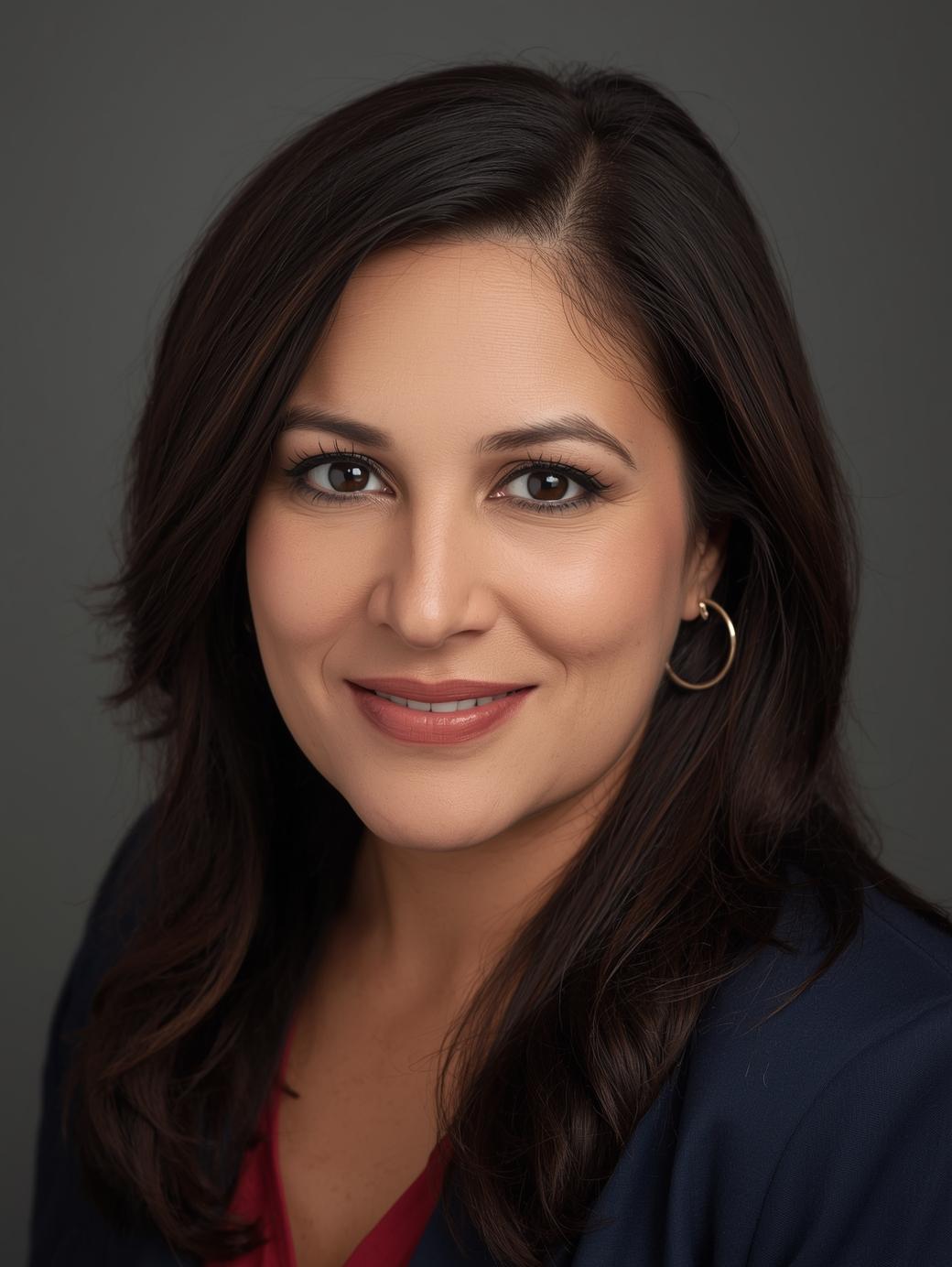
Olivia Grant is a business strategist and content marketer with over a decade of experience helping startups grow online. He specializes in brand storytelling, SEO, and digital growth strategies. His insights blend practical experience with data-driven results, empowering entrepreneurs to build visibility and authority in competitive markets.


